


In modern cybersecurity incident response, one of the most dangerous mistakes organizations make is reimaging compromised systems too quickly without preserving forensic evidence first.
While reimaging helps remove malware and restore operations, it can also permanently destroy critical evidence needed to determine:
- How attackers gained access
- What systems were affected
- Whether sensitive data was stolen
- How long the attacker remained in the environment
Forensic evidence preservation before reimaging is a critical step in every mature Security Operations Center (SOC) and Digital Forensics & Incident Response (DFIR) workflow.
This article explores the most important cybersecurity forensic tools used to preserve evidence before reimaging compromised devices.
Why Forensic Evidence Preservation Matters
During a cyberattack investigation, evidence exists in multiple locations across a system and network environment. Some of this evidence is highly volatile and disappears immediately after shutdown or reboot.
Without proper forensic acquisition, organizations may lose critical information such as attacker sessions, malware execution traces, encryption keys, persistence mechanisms, and command-and-control communications. This makes it much harder for incident response teams to identify the root cause of an attack or determine the extent of compromise.
In professional incident response operations, reimaging is considered containment – not investigation.
1. Memory Acquisition: The Most Critical First Step
Memory acquisition is the first and most important step in forensic evidence preservation before reimaging.
Random Access Memory (RAM) contains volatile evidence that disappears immediately when the system powers off.
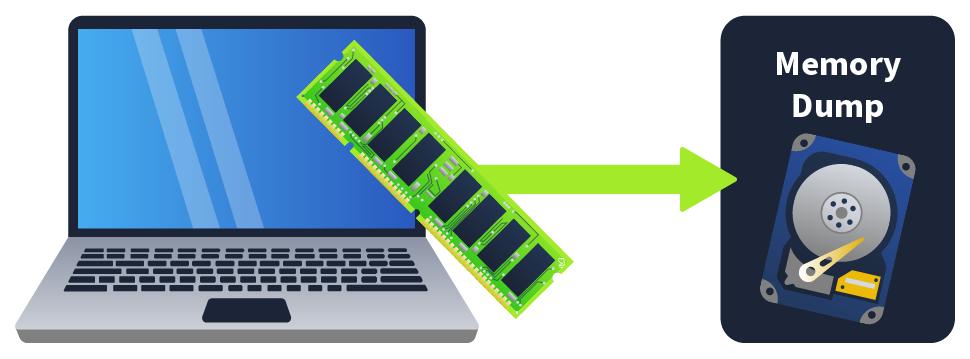 Memory acquisition is a critical step in forensic evidence preservation before reimaging compromised systems.
Important Evidence Stored in RAM
Golden Rule:
Rebooting a system before capturing memory can permanently destroy this evidence.
Common Memory Acquisition Tools
FTK Imager is widely used for live memory acquisition, disk imaging, and forensic evidence preservation during incident response investigations.
A lightweight memory acquisition utility commonly used alongside memory forensic frameworks.
Designed for rapid memory collection with minimal system impact.
An industry-favorite triage collection tool used by DFIR professionals worldwide.
2. Disk Imaging for Digital Forensic Investigations
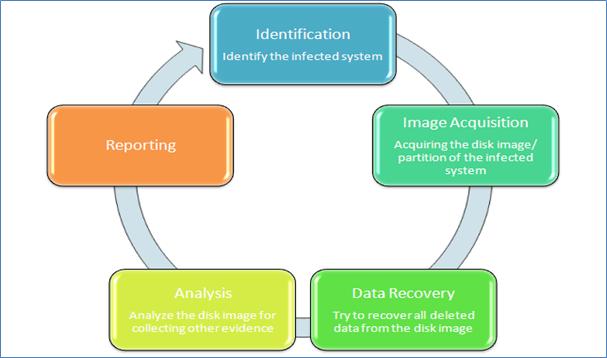 Forensic disk imaging preserves digital evidence and supports cybersecurity investigations during incident response operations.
The goal is to create a complete bit-by-bit copy of storage media while maintaining evidence integrity.
Why Disk Imaging Matters
Disk imaging helps investigators:
- Analyze malware safety
- Recover deleted files
- Build attack timelines
- Preserve original evidence
- Support legal investigations
Warning: Investigators should never analyze the original drive directly.
Common Disk Imaging Tools
A court-validated enterprise forensic investigation platform used globally by incident response teams and investigators.
Autopsy
Autopsy is a popular open-source forensic investigation platform used for timeline analysis, file recovery, and malware investigations.
X-Ways Forensics
A fast and powerful forensic analysis suite preferred by many investigators.
Hardware Requirement: Write Blockers
A write blocker device prevents accidental modification of evidence during acquisition, ensuring evidence integrity, proper chain of custody, and legal admissibility
3. Live Response & Artifact Collection
In some situations, full forensic imaging cannot happen immediately due to operational constraints.
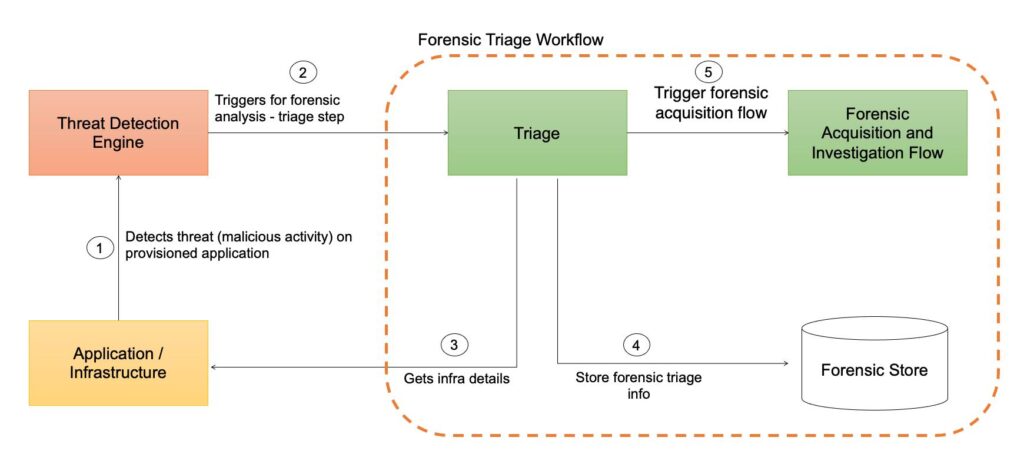 Forensic triage workflows help cybersecurity teams preserve and analyze digital evidence during cyber incidents.
In these cases, investigators focus on collecting high-value forensic artifacts from the live system.
These artifacts may include event logs, registry hives, browser history, scheduled tasks, persistence mechanisms, prefetch files, and user activity records.
Modern DFIR platforms help investigators collect and analyze this evidence remotely.
Important Live Response Tools
Velociraptor is widely used for remote evidence collection, threat hunting, and enterprise forensic investigations.
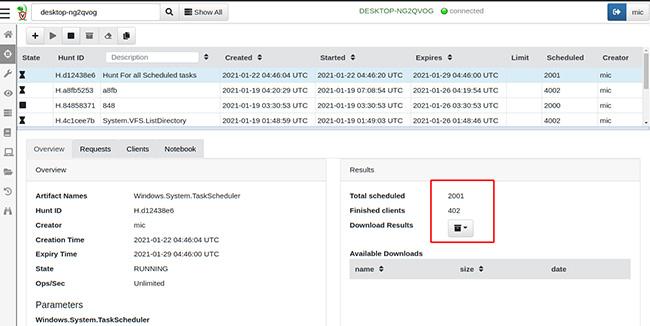 Velociraptor enables remote forensic evidence collection and enterprise incident response investigations.
A Google-developed endpoint investigation platform for large-scale incident response.
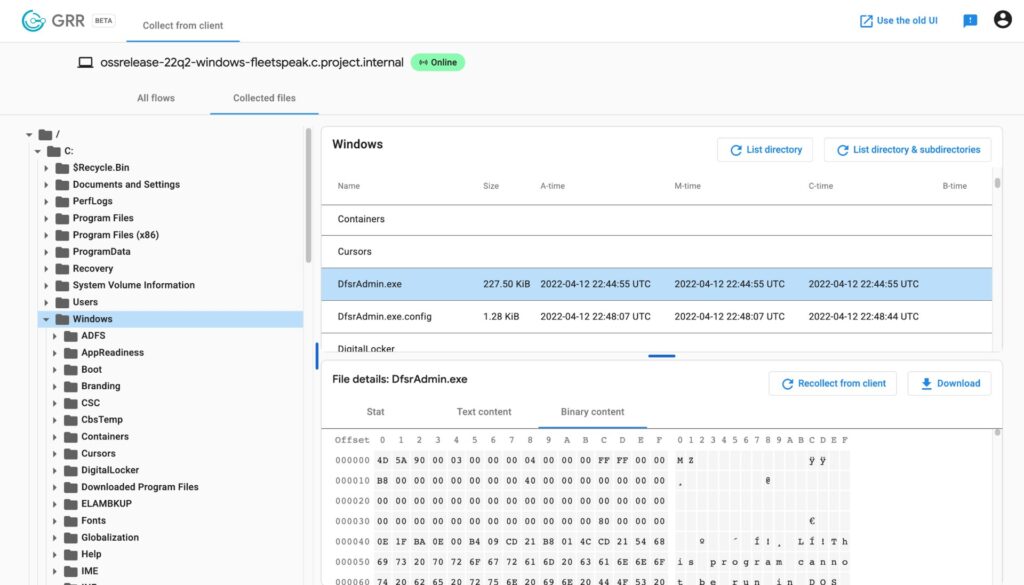 GRR Rapid Response enables cybersecurity investigators to remotely collect forensic evidence and analyze compromised endpoints during incident response operations.
4. Network Evidence Preservation in Incident Response
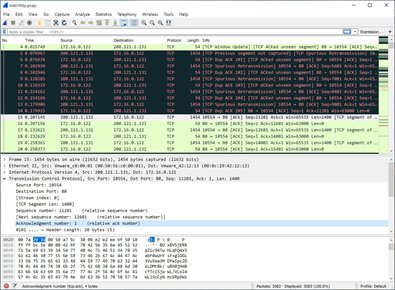 Wireshark is widely used in cybersecurity and network forensic investigations to analyze suspicious traffic and attacker communications.
Cyberattack evidence often exists outside the compromised device itself.
Network evidence preservation helps investigators detect suspicious communications, attacker movement, and data exfiltration activity.
Common Network Forensic Tools
Wireshark
A widely used packet analysis tool for monitoring and investigating network traffic.
tcpdump
A lightweight packet capture utility heavily used in Linux incident response operations.
Important Network Evidence Sources
SOC analysts and incident responders commonly preserve packet captures, firewall logs, VPN authentication records, DNS activity, and endpoint detection alerts during investigations.
5. Hashing and Evidence Integrity Validation
After evidence collection, forensic investigators generate cryptographic hashes to verify integrity.
Common Hashing Algorithms
- MD5
- SHA256
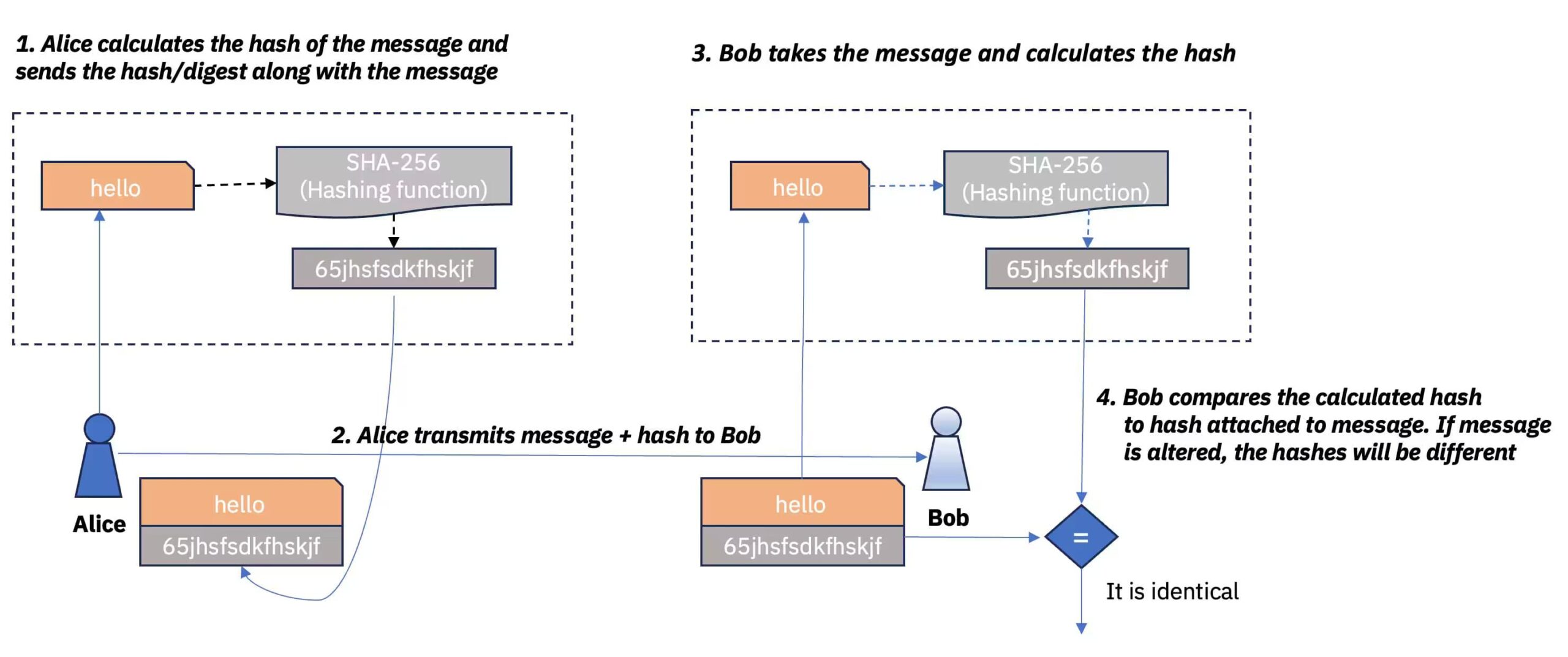 Hash verification helps cybersecurity investigators preserve forensic evidence integrity during digital forensic analysis.
Most forensic acquisition tools automatically generate hash values during imaging procedures to maintain evidence integrity and support proper chain of custody procedures.
Evidence integrity validation is especially important during legal investigations and regulatory compliance reviews.
6. Recommended Incident Response Workflow Before Reimaging
Organizations should never immediately reimage compromised devices.
Standard SOC / DFIR Workflow
- Isolate the device from the network
- Do NOT power off the system
- Capture memory (RAM)
- Document the screen state
- Collect live forensic artifacts
- Create a forensic disk image
- Export SIEM, firewall, and EDR logs
- Generate evidence hashes
- Secure evidence storage
- THEN reimage the system
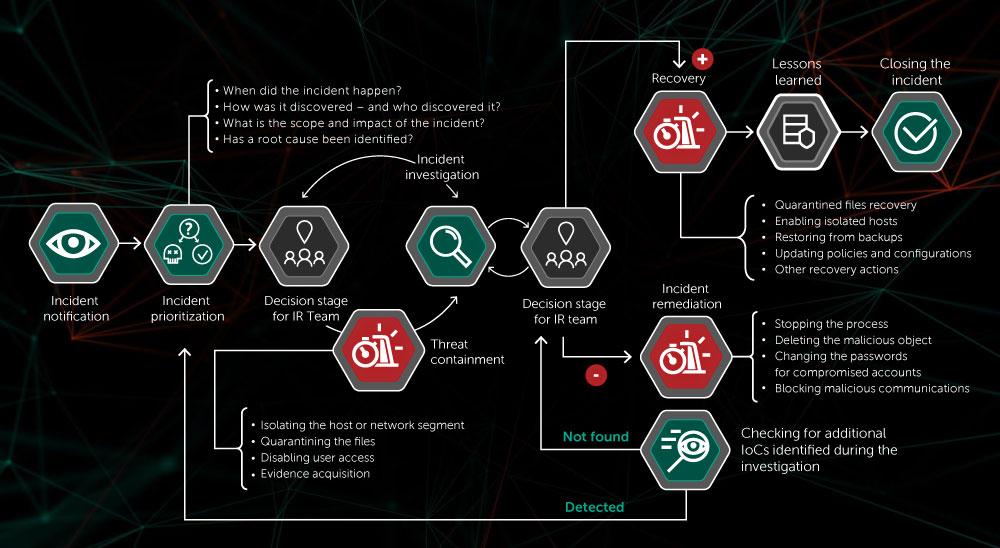
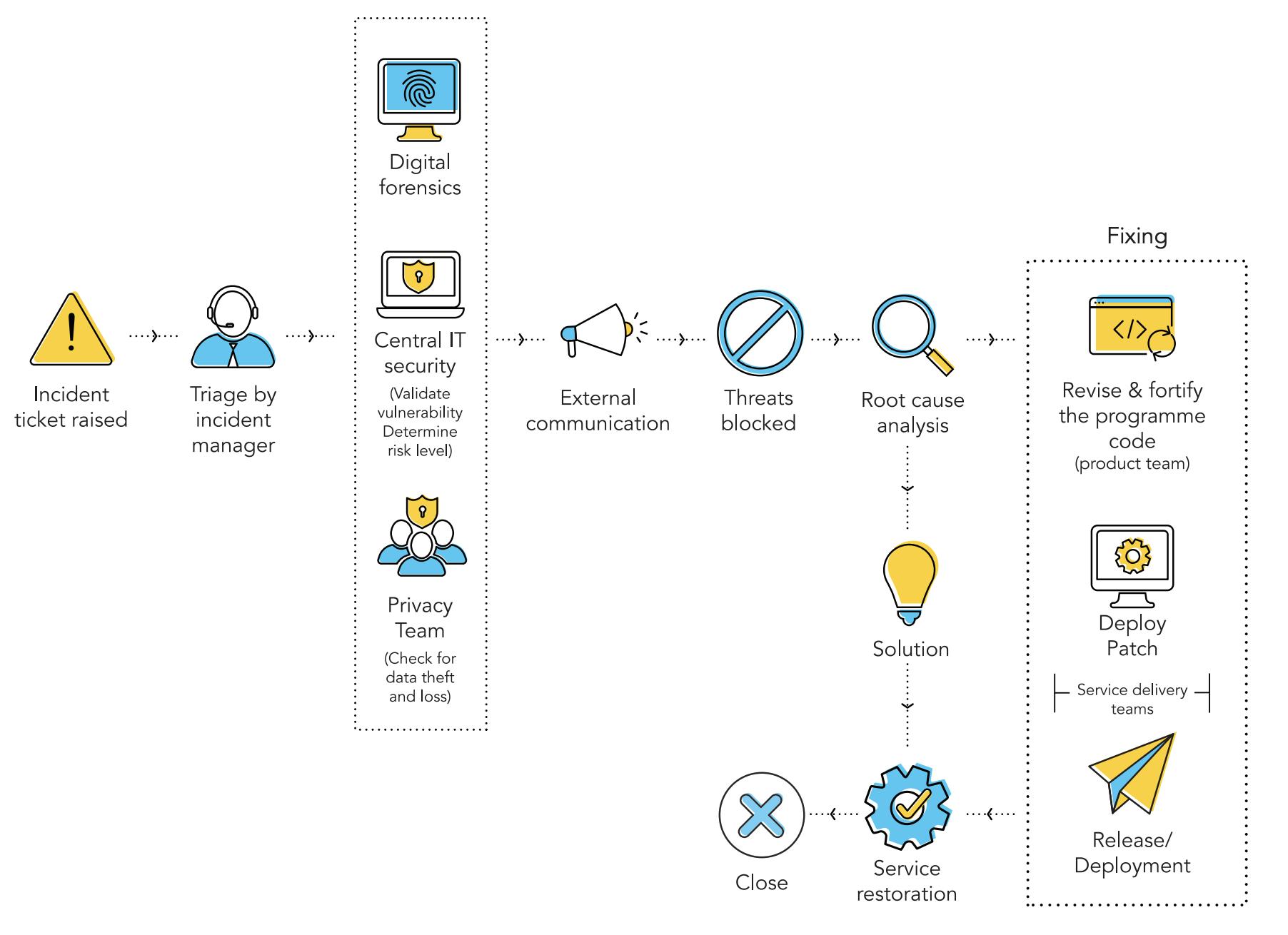 A cybersecurity incident response workflow illustrating forensic investigation, threat analysis, remediation, and system recovery procedures.
7. Evidence Types Often Forgotten During Investigations
One of the most common mistakes during incident response is overlooking secondary evidence sources. Investigators sometimes focus only on the endpoint itself while ignoring external logs and cloud-based evidence.
Frequently forgotten evidence includes cloud audit logs, EDR telemetry history, browser session tokens, credential caches, USB connection history, and persistence registry keys. Reimaging systems without collecting this information can permanently destroy the ability to determine how attackers gained access or maintained persistence.
As cloud adoption continues growing in 2026, preserving cloud-based evidence has become increasingly important for cybersecurity investigations.
8. The Reality of Modern SOC Investigations
 Cybersecurity analysts in a Security Operations Center (SOC) monitor threats and conducting forensic investigations during a live cyber incident.
In mature cybersecurity programs, evidence preservation determines whether investigators can fully understand an attack.
Without forensic acquisition, organizations may never know:
- How attackers entered the network
- What systems were compromised
- Whether data was stolen
- How long attackers remained active
This is why forensic evidence preservation before reimaging remains one of the most important practices in cybersecurity incident response.
Quick Incident Response Checklist
Before reimaging any compromised system, confirm the following:
 Memory captured Disk image acquired Logs exported Hash values generated Chain of custody initiated Evidence securely stored
Conclusion
Preserving forensic evidence before reimaging is one of the most important steps in modern cybersecurity incident response. Proper evidence collection helps investigators understand how attackers gained access, what systems were affected, and whether sensitive data was compromised. Without forensic acquisition, organizations risk losing critical information needed for investigations, compliance, and future threat prevention.
As cyber threats continue to evolve, businesses must adopt strong incident response practices and invest in the right cybersecurity expertise and tools. At KebenzTech Consulting, we help organizations strengthen their security posture through SOC Analyst Training, Penetration Testing, Vulnerability Assessments, Incident Response Support, and Cybersecurity Consulting services designed to prepare teams for real-world cyber threats.


