

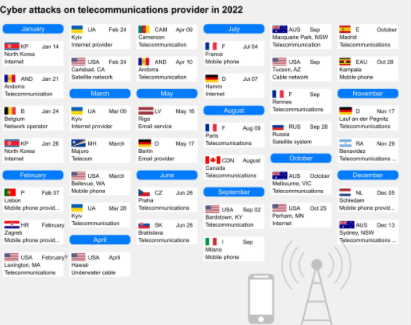

Cybersecurity researchers have uncovered a sophisticated Linux malware known as Showboat that has reportedly targeted telecommunications providers in the Middle East since at least mid-2022. The malware campaign highlights the growing threat posed by advanced Linux-based malware targeting critical infrastructure and enterprise environments.
According to recent reports published by The Hacker News, the Showboat malware framework enables attackers to maintain remote access, transfer files, hide malicious processes, and use SOCKS5 proxy capabilities to move laterally inside internal networks.
The campaign demonstrates how attackers are increasingly focusing on Linux environments and telecom infrastructure to support cyber espionage, long-term persistence, and unauthorized network access.
What Is Showboat Linux Malware?
Showboat is a modular Linux malware framework designed to provide attackers with remote access to compromised systems. Researchers discovered that the malware supports multiple malicious capabilities, including remote shell access, file transfers, process hiding, and network proxying.
The malware appears to specifically target telecommunications providers, allowing attackers to gain deeper access into internal enterprise environments. Reports suggest the malware has been active for several years, indicating a long-term espionage-focused operation targeting critical infrastructure organizations.
Security researchers also observed overlaps between the campaign infrastructure and tactics associated with Chinese-affiliated threat actors, although attribution remains under investigation.
Why Telecom Providers Are Attractive Targets

Telecommunications companies are among the most valuable targets for cybercriminals and nation-state threat actors because they manage massive amounts of sensitive communications data and critical network infrastructure.
Compromising telecom providers can potentially give attackers access to:
- Internal enterprise communications
- Customer metadata
- Authentication systems
- Sensitive operational information
- Network traffic monitoring capabilities
Telecom organizations also operate large-scale Linux infrastructure, making Linux malware increasingly attractive to attackers seeking long-term persistence and stealthy access.
How the Showboat Malware Operates
Researchers observed that the Showboat malware communicates with command-and-control (C2) infrastructure to receive attacker instructions and transmit collected information. The malware can also establish SOCKS5 proxy tunnels, enabling attackers to pivot through compromised systems and access internal network segments remotely.
The modular design of the malware allows threat actors to extend capabilities over time while maintaining persistence inside targeted environments. Some reported functionalities include:
- Remote command execution
- File upload and download
- Hidden process execution
- Network proxying
- Internal reconnaissance
This type of malware is especially dangerous because it allows attackers to remain inside enterprise environments for extended periods without detection.
Linux Malware Is Becoming a Growing Threat
For many years, organizations mistakenly assumed Linux systems were less vulnerable to malware than Windows environments. However, modern threat actors increasingly target Linux servers, cloud environments, and enterprise infrastructure because of their critical role in modern operations.
As cloud computing and enterprise Linux adoption continue growing, Linux-based malware campaigns have become more advanced and more frequent. Modern Linux malware now supports:
- Persistence mechanisms
- Evasion techniques
- Rootkit capabilities
- Remote access operations
- Credential theft
- Data exfiltration
This evolution highlights the importance of strong Linux security monitoring and proactive threat detection capabilities.
How Organizations Can Defend Against Linux Malware

Organizations can reduce the risk of Linux malware infections by implementing stronger cybersecurity controls and continuous monitoring strategies.
Important security measures include:
- Regular vulnerability patching
- Multi-factor authentication (MFA)
- Endpoint detection and response (EDR)
- Network segmentation
- SIEM monitoring
- Threat hunting operations
- Linux log monitoring
- Incident response readiness
Security teams should also continuously monitor suspicious network activity and unauthorized privilege escalation attempts within Linux environments.
Why Skilled Cybersecurity Professionals Are Needed
The Showboat malware campaign demonstrates why organizations increasingly need skilled cybersecurity professionals capable of investigating advanced threats, monitoring enterprise infrastructure, and responding quickly to cyber incidents.
Modern SOC analysts and incident responders must now understand:
- Linux security monitoring
- Threat hunting
- Malware analysis
- Digital forensics
- Incident response
- Network traffic analysis
As cyber threats continue evolving, organizations require trained cybersecurity professionals who can identify suspicious activity early and strengthen overall security operations.
Frequently Asked Questions
What is Showboat Linux malware?
Showboat is a Linux malware framework used to target telecommunications providers and maintain remote access inside enterprise environments.
Who was targeted by the Showboat malware campaign?
The campaign reportedly targeted telecommunications providers in the Middle East and parts of Asia Pacific.
Why are telecom providers targeted by cybercriminals?
Telecom providers manage critical infrastructure and sensitive communications data, making them valuable targets for espionage and long-term cyber operations.
Why is Linux malware becoming more common?
Linux malware is increasing because organizations now rely heavily on Linux servers, cloud infrastructure, and enterprise systems that attackers want to compromise.
Conclusion
The Showboat Linux malware campaign highlights the growing sophistication of modern cyber threats targeting critical infrastructure and telecommunications providers. As attackers continue developing advanced Linux malware capable of stealthy persistence and remote access, organizations must strengthen their cybersecurity defenses and improve incident response readiness.
Modern enterprises increasingly depend on skilled cybersecurity professionals capable of investigating malware campaigns, monitoring enterprise environments, and protecting sensitive infrastructure against evolving threats.
At KebenzTech Consulting, we help organizations and aspiring cybersecurity professionals build practical cybersecurity skills through SOC Analyst Training, Incident Response Training, Digital Forensics, Threat Hunting, and hands-on cybersecurity education designed for real-world security environments.


