

Digital forensics is a critical skill for SOC analysts, enabling them to uncover evidence of malicious activities, trace the origin of attacks, and strengthen organizational defenses. In this comprehensive guide by Kebenztech Consulting, we explore the key tools, techniques, and best practices for mastering digital forensics as a SOC analyst.

Why Digital Forensics Matters: Digital forensics is not just about analyzing data after a breach; it’s about understanding the attack path, identifying compromised systems, and ensuring that digital evidence is accurately preserved and documented. SOC analysts play a pivotal role in detecting threats early and mitigating potential damages.
Key Tools to Master:
Autopsy and Sleuth Kit: Ideal for disk analysis and file recovery. Autopsy provides a graphical interface for analyzing data and extracting evidence, while Sleuth Kit is the backend used for deeper forensic analysis.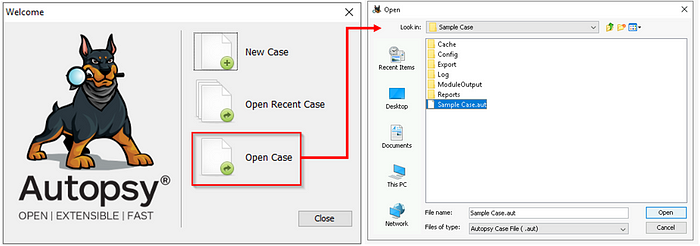
Learn more about Autopsy and Sleuth Kit
FTK Imager: Useful for capturing disk images and identifying malicious files. Analysts can create forensic images, verify file integrity, and search for specific file types.
Wireshark: Excellent for packet analysis and network forensics. It helps in identifying malicious network traffic, such as data exfiltration or C2 communications. 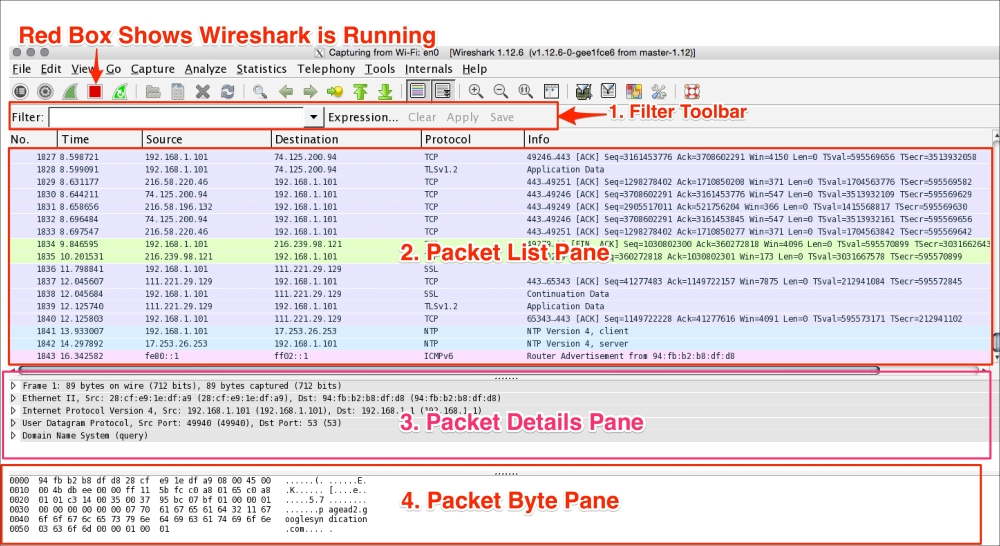
Xplico: Extracts data from network traffic for deeper investigation. It dissects captured network data, identifying email content, VoIP, and other communication streams. 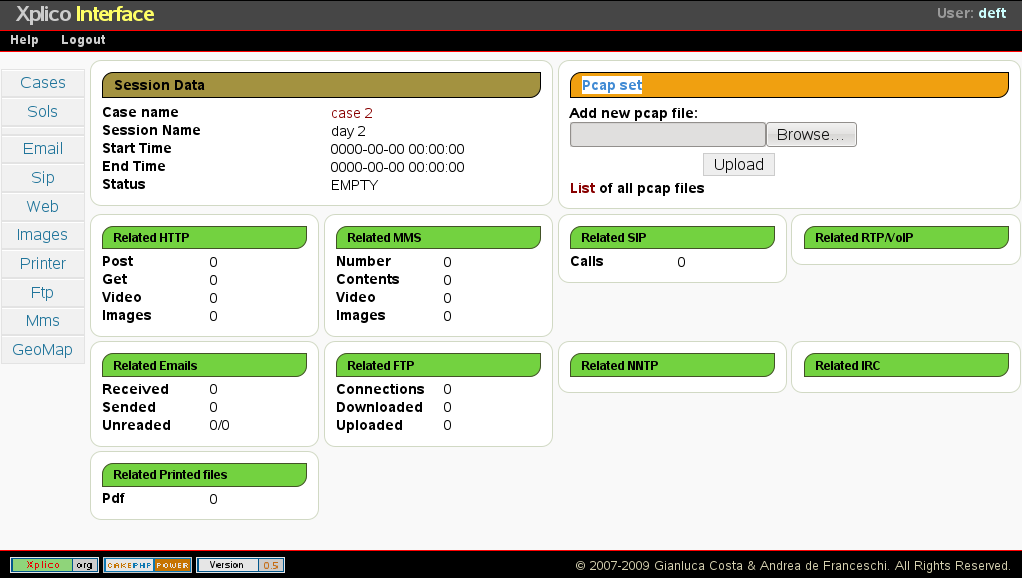
Volatility: Memory forensics tool to analyze system RAM for malicious processes. Detects malware, hidden processes, and memory injections. 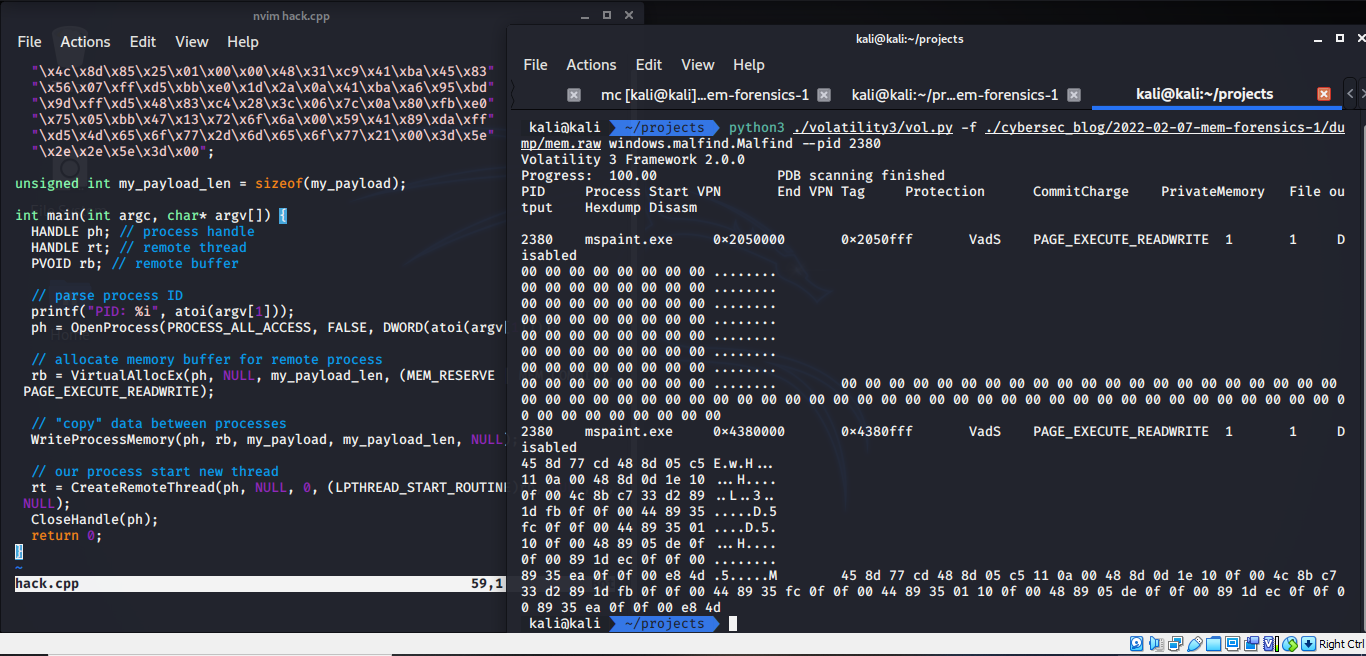
Velociraptor: Provides a complete overview of system processes and network connections. Ideal for endpoint investigation and malware analysis.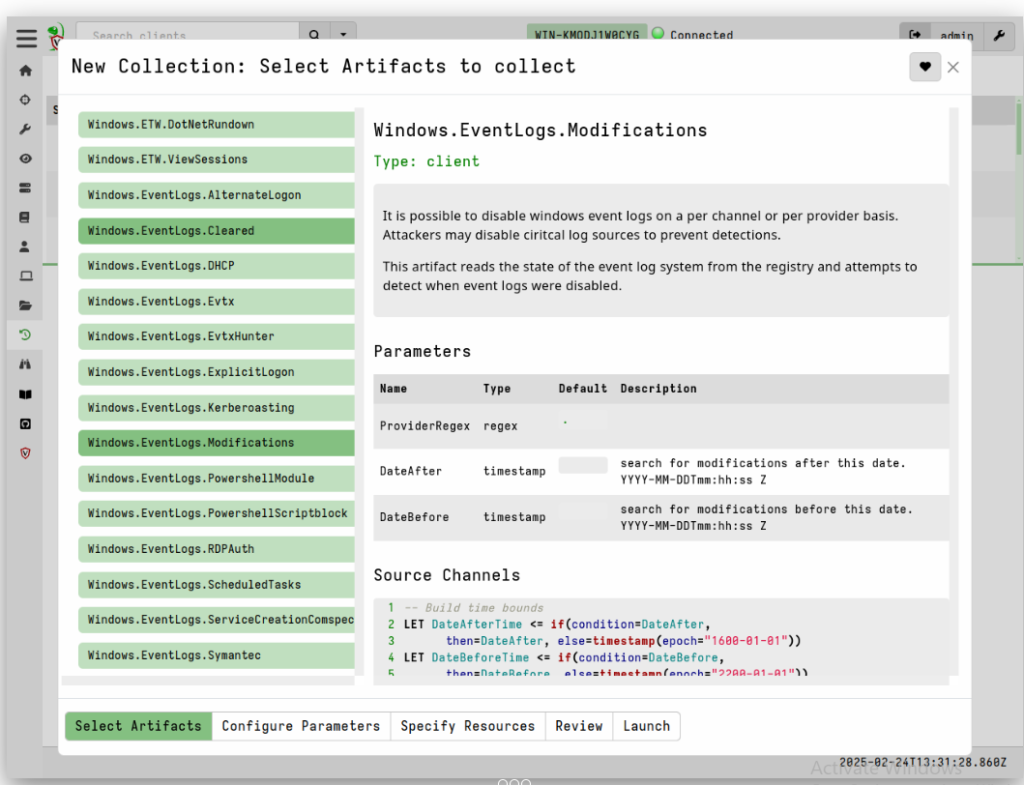
Practical Steps:
- Set up a lab environment with virtual machines to practice forensic investigations.
- Collect and analyze disk images using FTK Imager.
- Analyze memory dumps with Volatility to detect malware and unauthorized processes.
- Examine network traffic with Wireshark, focusing on suspicious connections and packet data.
- Document findings using a structured report template to maintain consistency.
How to Succeed:
- Develop strong analytical skills to connect the dots between disparate data points.
- Stay updated with the latest digital forensics tools and trends.
- Enroll in Kebenztech Consulting’s Cybersecurity Training.
- Document findings accurately to maintain evidence integrity.


