



In the fast-paced world of technology, cybersecurity remains a critical focus for organizations globally. This week, several headlines highlight the increasing demand for skilled cybersecurity professionals and the ever-evolving threat landscape. Here’s why now is the perfect time to consider a career in cybersecurity, especially as a Security Operations Center (SOC) Analyst.
The cybersecurity landscape continues evolving rapidly in 2026 as organizations worldwide face increasing ransomware attacks, AI-powered cyber threats, cloud security challenges, and sophisticated malware campaigns targeting critical infrastructure.
This week’s top cybersecurity news highlights how artificial intelligence is reshaping cyberattacks, why Linux malware is becoming more dangerous, and how organizations are strengthening defenses against modern cyber threats.
From advanced AI-assisted hacking tools to telecom-targeting malware campaigns and growing ransomware activity, cybersecurity professionals continue facing increasingly complex security challenges across enterprise environments.
Cybersecurity in the Headlines
AI-Powered Cyberattacks Continue Rising
 Artificial intelligence is transforming both cyberattacks and cybersecurity defense strategies in modern enterprise environments.
One of the biggest cybersecurity stories this week involves the growing use of artificial intelligence in cyberattacks. According to multiple cybersecurity reports, attackers are increasingly using AI tools to automate phishing campaigns, identify vulnerabilities faster, and improve malware development.
Recent findings from Verizon’s 2026 Data Breach Report revealed that vulnerability exploitation has now surpassed stolen credentials as a leading cause of security breaches. Researchers also reported that attackers are weaponizing AI to reduce exploit development timelines from months to only days or hours.
Security experts warn that AI-generated phishing attacks are becoming increasingly convincing, making it harder for organizations and employees to detect malicious activity.
Anthropic’s Mythos AI Raises Cybersecurity Concerns
Another major cybersecurity topic this week involves Anthropic’s powerful cybersecurity-focused AI model known as Mythos. Researchers reported that the model identified thousands of software vulnerabilities across open-source projects, sparking global discussions about AI-assisted hacking capabilities disussed in recent Reuters AI Security Report.
While some experts believe concerns surrounding the model may be overstated, others warn that AI-powered vulnerability discovery could significantly accelerate cyberattacks if such technologies become widely accessible to threat actors.
The rapid evolution of AI-powered cybersecurity tools demonstrates how artificial intelligence is transforming both cyber defense and offensive cyber operations in 2026.
Showboat Linux Malware Targets Telecom Providers
We also recently covered the growing threat of Linux-based malware in our article on the Showboat malware campaign targeting telecom providers.
Ransomware Threats Continue Expanding
Ransomware remains one of the most dangerous cybersecurity threats affecting organizations globally. Multiple threat intelligence reports this week highlighted continued ransomware activity targeting businesses, educational institutions, healthcare organizations, and government systems.
Researchers observed that ransomware groups are becoming more organized and increasingly adopting “Ransomware-as-a-Service” models that allow less technical cybercriminals to launch sophisticated attacks.
Security analysts also warned that AI-powered ransomware campaigns may continue increasing throughout 2026 as attackers automate phishing, reconnaissance, and exploit development processes.
Organizations are therefore investing more heavily in:
- Incident response operations
- Security awareness training
- Threat detection technologies
- Backup and recovery solutions
Strong cybersecurity hygiene and proactive monitoring remain critical for reducing ransomware risk.
Cloud Security Risks Remain a Major Concern
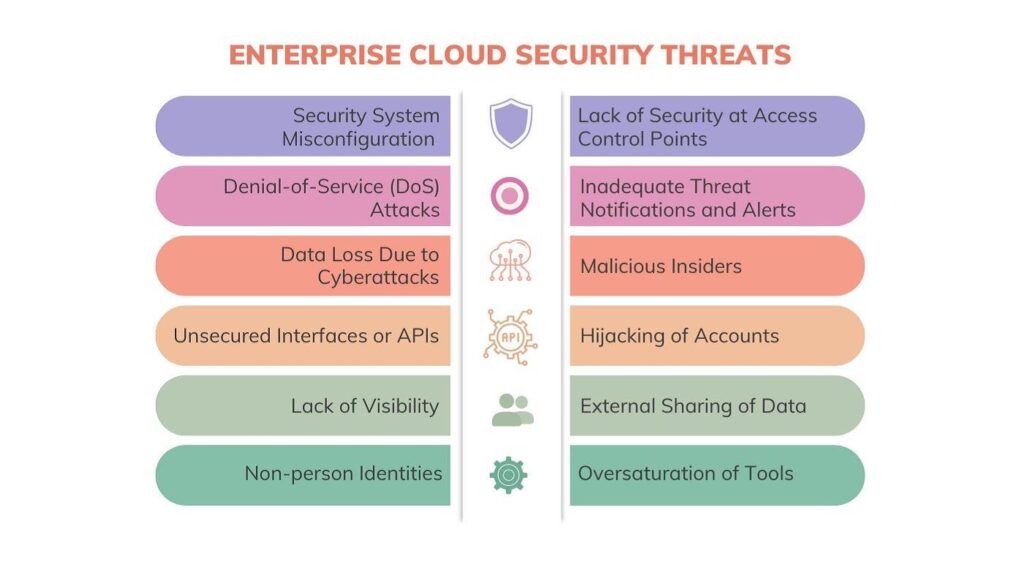 Cloud security threats continue increasing as organizations face cyberattacks, insecure APIs, account hijacking, and cloud misconfigurations.
Cloud security continued dominating cybersecurity discussions this week as organizations face growing risks involving cloud misconfigurations, identity attacks, insecure APIs, and unauthorized access attempts.
As businesses increasingly migrate to AWS, Microsoft Azure, and Google Cloud environments, attackers are actively targeting cloud infrastructure to gain access to sensitive enterprise systems and customer data.
Security experts recommend that organizations strengthen:
- Identity and Access Management (IAM)
- Multi-factor authentication (MFA)
- Cloud monitoring
- Security logging
- Threat detection operations
Cloud security expertise has therefore become one of the most valuable skills for cybersecurity professionals in 2026.
The Role of a SOC Analyst

A SOC Analyst plays a vital role in defending organizations from cyberattacks. Their responsibilities include:
- Monitoring Security Alerts: Identifying suspicious activity in real-time.
- Incident Response: Containing and mitigating threats before they cause damage.
- Threat Intelligence: Staying updated on the latest attack methods and vulnerabilities.
- Log Analysis: Interpreting system logs to identify patterns that indicate potential threats.
SOC Analysts are the first line of defense, making them indispensable in today’s cybersecurity landscape.
Frequently Asked Questions
What are the biggest cybersecurity threats in 2026?
Some of the biggest cybersecurity threats in 2026 include AI-powered cyberattacks, ransomware, phishing campaigns, cloud security breaches, Linux malware, and advanced persistent threats (APTs).
Why is AI becoming a cybersecurity concern?
Artificial intelligence allows attackers to automate phishing, malware development, vulnerability discovery, and social engineering attacks at a much larger scale.
Why are Linux malware attacks increasing?
Linux malware attacks are increasing because organizations increasingly rely on Linux servers, cloud environments, and enterprise infrastructure that attackers want to compromise.
Why are cybersecurity professionals in high demand?
Cybersecurity professionals are in high demand because organizations urgently need skilled experts capable of defending systems, investigating incidents, and responding to modern cyber threats.
Conclusion
This week’s cybersecurity news highlights how rapidly the cyber threat landscape continues evolving in 2026. From AI-assisted cyberattacks and Linux malware campaigns to ransomware operations and cloud security risks, organizations worldwide face increasingly advanced security challenges.
As cyber threats continue growing in complexity, businesses increasingly depend on skilled cybersecurity professionals capable of strengthening security operations, investigating threats, and protecting enterprise environments against modern attacks.
At KebenzTech Consulting, we help aspiring cybersecurity professionals and organizations build practical cybersecurity skills through SOC Analyst Training, Incident Response Training, Threat Hunting, Digital Forensics, and Cybersecurity Awareness Programs designed for real-world security environments.
Visit our website: KTC Website


